Thank you for sending your enquiry! One of our team members will contact you shortly.
Thank you for sending your booking! One of our team members will contact you shortly.
Duration 14 hours
Course Outline
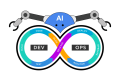
Introduction to DevSecOps and the Role of AI
- Core principles and objectives of DevSecOps
- The impact of AI and machine learning within DevSecOps
- Current trends in security automation and tool categorization
Static and Dynamic Code Analysis Enhanced by AI
- Applying SonarQube, Semgrep, or Snyk Code for static analysis
- Conducting dynamic tests using AI-assisted test case generation
- Interpreting outcomes and integrating findings with version control systems
Detecting Secrets and Credential Leaks
- Using AI-enhanced tools like GitHub Advanced Security or Gitleaks to spot hardcoded secrets
- Strategies to prevent secrets from being committed to source control
- Setting up automated blocking mechanisms and alerting rules
AI-Driven Dependency and Container Scanning
- Scanning containers using Trivy with AI-enabled plugins
- Monitoring third-party libraries and managing SBOMs
- Generating automated remediation suggestions and patch notifications
Intelligent Threat Modeling and Risk Evaluation
- Automating threat modeling using AI-based utilities
- Prioritizing risks with the aid of machine learning models
- Connecting business impact assessments to technical vulnerabilities
Integration and Automation in CI/CD Pipelines
- Embedding security checks into Jenkins, GitHub Actions, or GitLab CI
- Implementing policies-as-code to ensure consistent rule enforcement across environments
- Producing AI-assisted reports for audit and compliance purposes
Case Studies and Patterns in Security Automation
- Real-world instances of AI application in security pipelines
- Selecting the most suitable tools for your specific ecosystem
- Best practices for constructing and maintaining secure pipelines
Conclusion and Future Directions
Requirements
- A solid grasp of the DevOps lifecycle and CI/CD pipelines
- Foundational knowledge of application security principles
- Experience with code repositories and infrastructure-as-code tools
Target Audience
- DevOps teams with a focus on security
- DevSecOps engineers and cloud security specialists
- Professionals in compliance and risk management